
About the Author
Hi there! My name is Beee Johnson. I've been making homemade pomegranate leather since I was a kid. I used to help my grandmother simmer the fruit and dry it under the sun. Over the years I've oven dried, added spices like cinnamon and thyme and learned tricks for storing it longer without it losing flavor. My content is based on firsthand experience and food-safety best practices recommended by the Health Canada Food Safety Guidelines. Safe cooking temperatures
Published: December 16/2025
Is homemade pomegranate leather healthier than store-bought?
Yes, homemade snacks are much healthier. Store-bought snacks often include added sugars, artificial flavors, and preservatives. When you make pomegranate leather at home, you control every ingredient. You keep the natural flavor of fresh pomegranates and the real nutritional value. That means you can enjoy the full benefit of antioxidants, vitamins, and fiber from real pomegranate juice and pulp. It's simple to make—and fun to eat.
How does homemade pomegranate leather taste?
The taste of this yummy fruit leather is naturally tart and a little bit sweet, unlike mass-produced versions that can be overly sugary. Pomegranates are rich in antioxidants which give the leather a sweet and sour flavor that feels refreshing. When letting it dry slowly the fruit’s natural sugars get mixed even more into the fruit leather. This provides a chewy texture that is satisfying without needing extra sweeteners. This also makes it an excellent alternative to candy or processed fruit snacks while still delivering bold and enjoyable flavors.
Homemade Pomegranate Leather Recipe — Step-by-Step Process
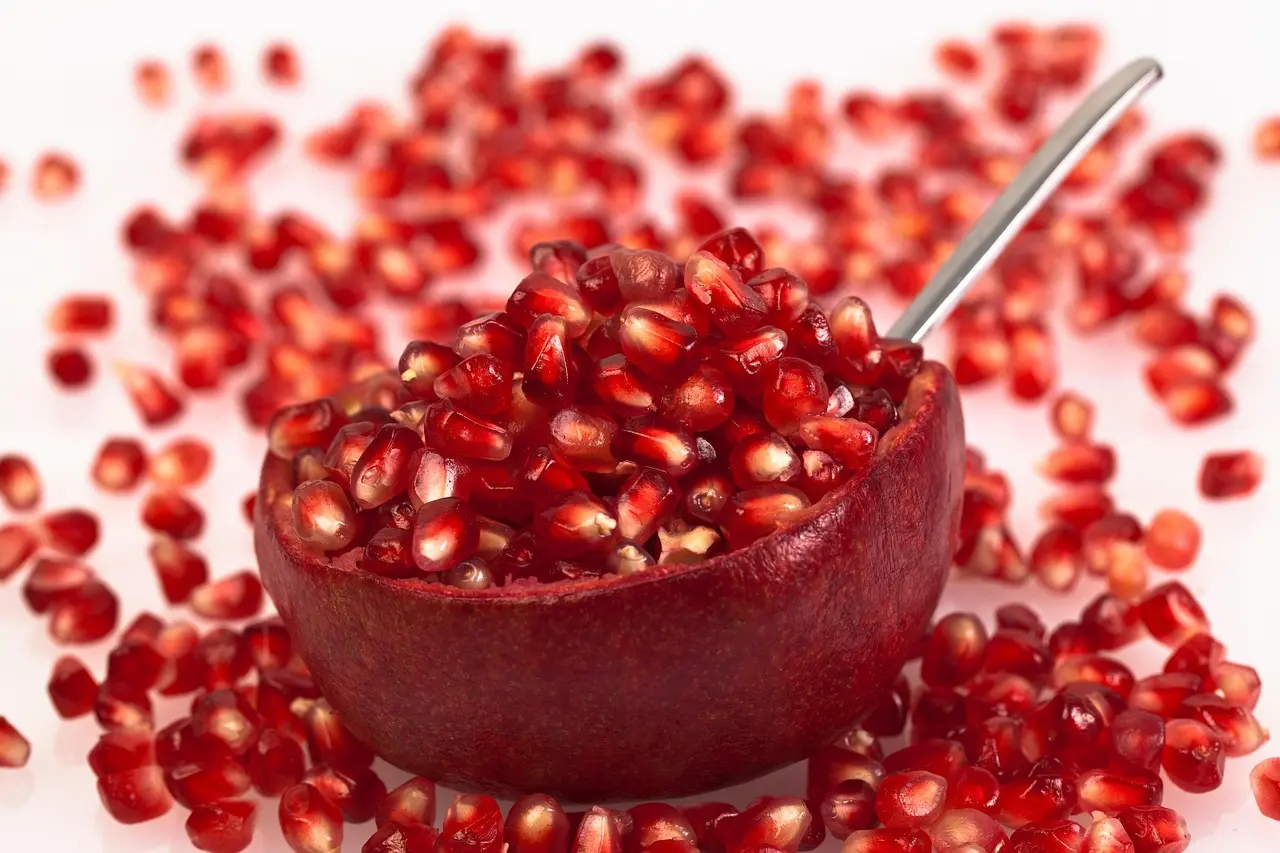
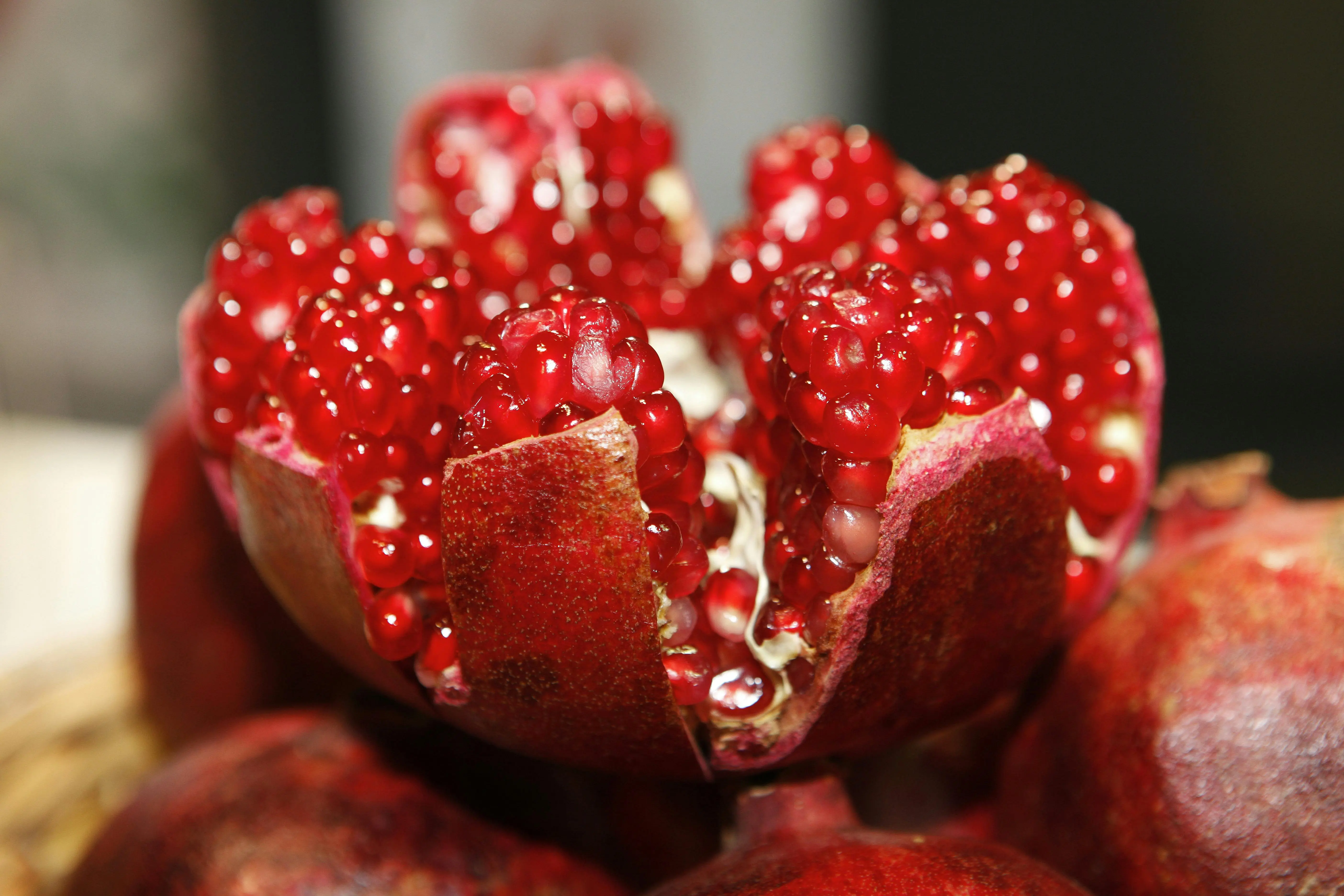
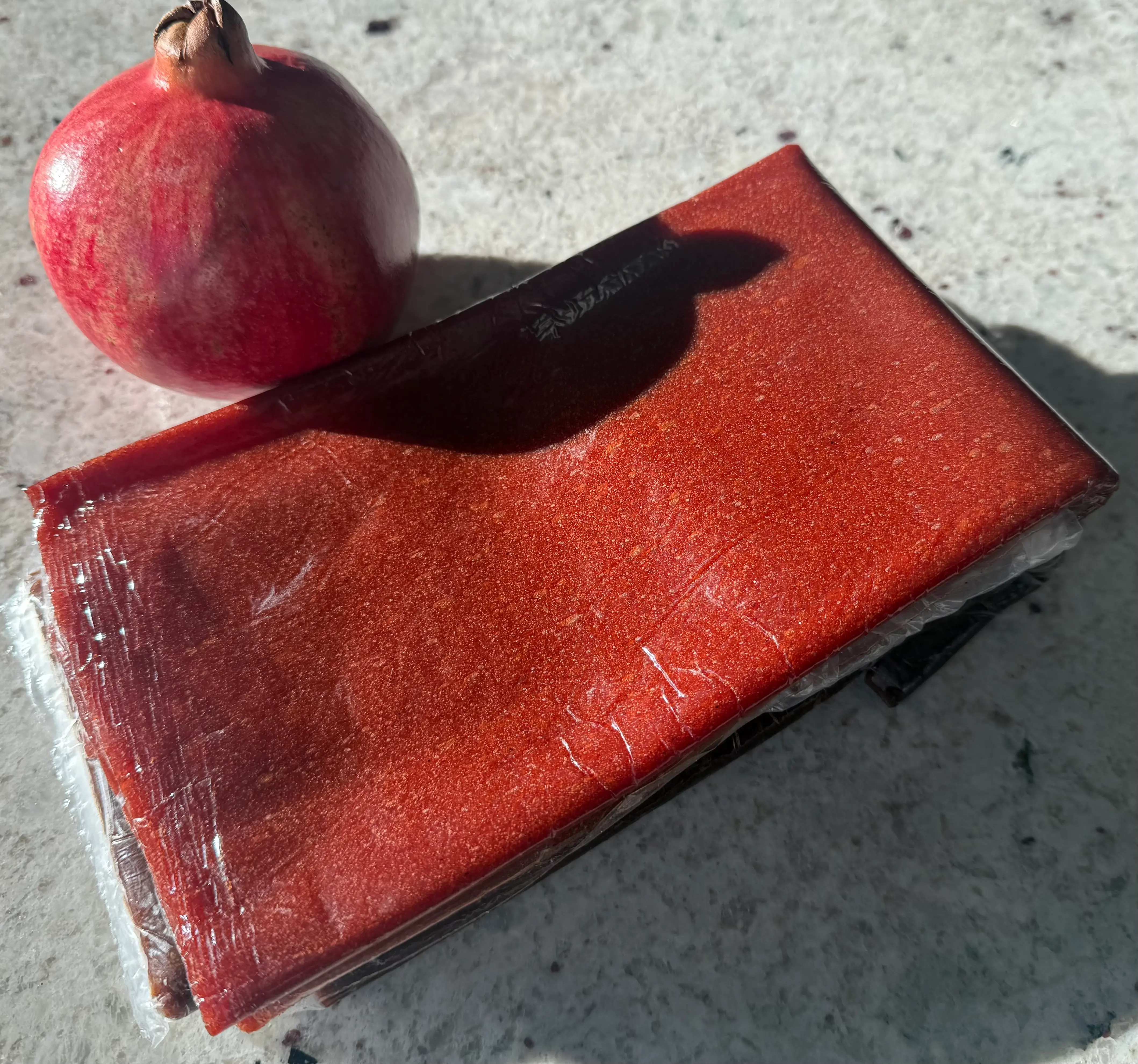
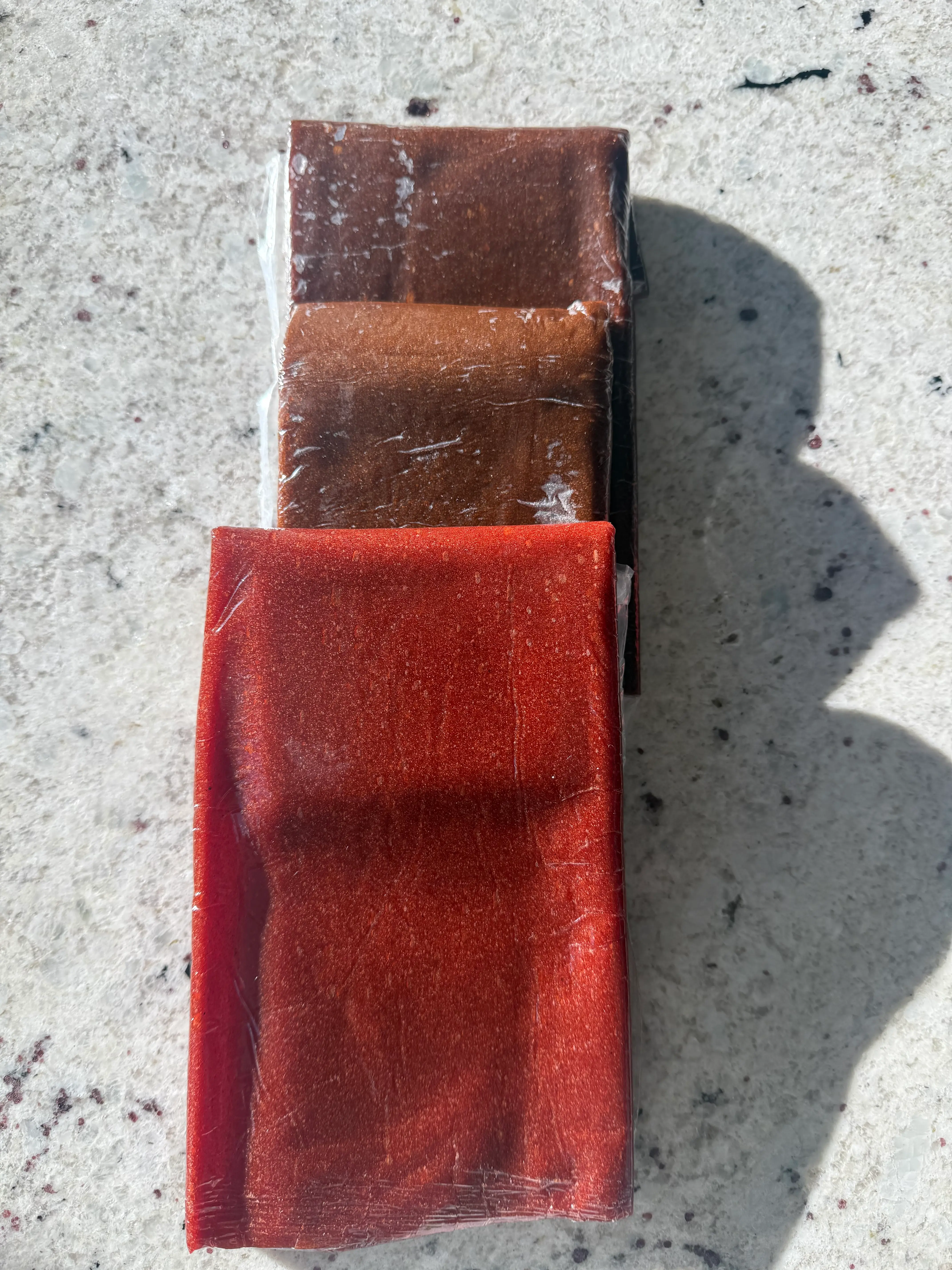
To make this homemade fruit leather, start by washing the fruit thoroughly with water. The next step is to peel it and separate the fruit from the skin. Put the fruit into a pot and let it simmer until the white seeds split up from the arils (the red, juice filled sacks that surround the seeds). Once this step is done, you then must strain the contents inside the pot to collect the seeds and throw them out as you will not need them. Combine the juice with a small amount of salt and thyme powder. Next, simmer the mixture until it thickens slightly. After, pour it onto a parchment-lined baking sheet and spread it evenly. The next step can be done in two different ways, either dry the mixture in the oven at a low temperature (around 140°F/60°C) for several hours until it is no longer sticky. The other way of drying out the mixture is by letting it dry up in front of a fan or leaving it outside under the sun. Once dried, cut the leather into strips and roll it for easy storage.
Benefits of homemade pomegranate leather:
Homemade pomegranate leather offers notable health benefits in addition to great taste. This fruit leather is known for its high antioxidant content which is great for heart health and reduces inflammation. It is also rich in vitamin C and fiber that can be of great help to our digestive system and our immune system. By making your own pomegranate fruit leather, you avoid unnecessary additives but also get to enjoy a snack that helps towards long-term wellness. This simple homemade treat highlights how natural foods can be both delicious and healthy. According to studies in the Journal of Food Biochemistry, pomegranate antioxidants may help reduce inflammation and support heart health. By avoiding preservatives, homemade leather retains more of these natural benefits compared to commercial brands.
The review of the Nazdikia article
Lavashak is a traditional Persian fruit leather that's very similar to homemade pomegranate leather. The Nazdikia article explains how fruits like plums and pomegranates are simmered, strained, and slowly dried to create a chewy, tangy snack that many people enjoy as a childhood treat. The concept of fruit leather has long been embraced across cultures, but few do it with the heritage and flavor of Iran's beloved Lavashak. According to the article on the Nazdikia website, the process of crafting lavashak begins with fresh fruit puree that is “the pulp of the fruit”. In essence, this traditional snack shares nearly all of the attributes that make homemade pomegranate leather such a compelling treat: natural fruit, minimal additives, and a long shelf-life rooted in preservation. What the article highlights is that lavashak isn't simply a modern snack trend—they point out how “modern versions of fruit leather are a way to preserve fruit surplus” and how the drying process gives it that sweet-tangy balance. By drawing this parallel, you can see how your pomegranate leather project fits into this broader culinary tradition: just like lavashak, you're taking real fruit, simmering it or blending it, spreading it out thin, drying it, and ending up with a chewy, intensely flavored snack. The article describes this step-by-step transformation as being surprisingly simple yet deeply effective. It even notes that “you don't need a food dehydrator—an oven set low will do.” This reinforces your message that making homemade pomegranate leather is accessible—just like lavashak was made in Iranian homes for generations. Incorporating this reference into your content adds cultural depth and validation for your process. It shows that the idea of turning fruit into leather is time-tested, and that an ancient snack informs a modern version. If a reader is intrigued by your pomegranate leather, they may also enjoy exploring lavashak and understanding how different fruits, methods, and drying techniques can impact flavor and texture
As the article notes,[If you've ever wondered what is lavashak (meaning: Fruit Leather) or what it is made of, the answer is ground-up fruit without the seeds. you can also add natural seasonings.]
.
This shows how fruit leather is enjoyed in other cultures and gives you another way to experiment with homemade fruit snacks.
To learn more and see the full recipe, visit the original article: Lavashak recipe on Nazdikia.
Looking for Something Different?
If you're eager to discover another naturally vibrant superfruit, visit our trusted partner's site. Pitaya Nutrient Benefits. This educational site is built by a team of nutrition enthusiasts who specialize in the tropical fruit known as pitaya, or dragon fruit. With a focus on pitaya their content is designed to help readers make informed choices about adding nutrient-rich energy bars into their diet. Each section provides research-backed details about the fruit's antioxidants, natural fiber and vitamin C benefits. This emphasizes how pitaya supports body nutrients, hydration and having a healthy skin.
What makes Pitaya Nutrient Benefits stand out is its dedication to sharing verified nutritional information supported by credible sources and first-hand preparation experience. The authors explain clearly how pitaya's high-magnesium and iron content can contribute to better metabolic health. while its naturally sweet yet low-calorie profile makes it most people's favorite for smoothies and fruit bowls. You'll also find step-by-step guidance for preparing pitaya-based recipes-making it ideal for anyone who enjoys experimenting with wholesome, plant-based foods at home.
Beyond nutrition, the site promotes sustainability and conscious consumption, highlighting the positive impact of locally sourced fruits on both health and the environment. Whether you're a culinary beginner
or a passionate home chef:
Pitaya Nutrient Benefits offers fresh insights that encourage mindful eating and self-care through natural ingredients. Their clean design and useful information make learning about pitaya both easy and enjoyable. Experience the tropical goodness yourself - you might just find your next favorite fruit!
#PitayaPower #TropicalWellness
If you're craving new flavors and a splash of tropical refreshment, check out my friend's site and explore new recipes Pitaya Nutrient Benefits Their team brings first-hand experience with pitaya (dragon fruit). In this website they share their important insights on its rich nutrients and provide important facts backed by their research. They also provide preparation tips and wellness-focused recipes. Their research makes it easy to explore another fruit-forward snack option.

What's New & Exciting!

My favorite picnic spot is Emily Murphy Park in Edmonton, Alberta. It sits beside the North Saskatchewan River and offers peaceful grassy areas witch can be perfect for relaxing. I really like how calm the park feels, with open space that makes it easy to unwind and enjoy the outdoors. The gentle river scenery adds a soothing atmosphere which makes you want to sit and look around and appreciate nature. It's the kind of spot where you can breathe and enjoy the quiet moments and listen to the water splashes. Click the map to find out the directions from where you live!
Conclusion: Why make pomegranate leather at home?
Homemade pomegranate leather is more than just a snack, it's a healthier food option. It mixes great taste with powerful health benefits, offering lots of different ways to satisfy your sweet and sour cravings. By choosing to make your own fruit leather, you can enjoy a healthier snack and preservative-free alternative that supports both wellness and sustainability. This fruit leather is simple to prepare and easy to store and it proves that preparing healthy foods doesn't have to be complicated. For safety and best flavor, always use clean utensils and dry the leather completely before storing it in an airtight container. If stored in a cool, dry place, it will keep for up to two weeks.
In my opinion, making pomegranate leather at home is not just about flavor-it is also about reconnecting with natural food traditions. Each batch reminds me how simple ingredients can create something nourishing. Compared to commercial fruit rolls, homemade leather gives you full control over sugar, texture and drying time which can result in a fresher snack.
Reviewed for accuracy and clarity by certified fruit leather lover and home dehydration specialist, Beee Johnson (2025).
Privacy Policy Cookie Policy